
The term champagne diamond refers to a specific category of naturally colored diamonds that display warm, golden-brown hues reminiscent of the popular sparkling wine. These gemstones occupy a fascinating space in the world of colored diamonds, offering a sophisticated alternative to traditional clear diamonds while maintaining the exceptional hardness and brilliance that diamonds are known for. Understanding what makes a champagne diamond unique requires exploring their formation, grading standards, and the factors that determine their value.
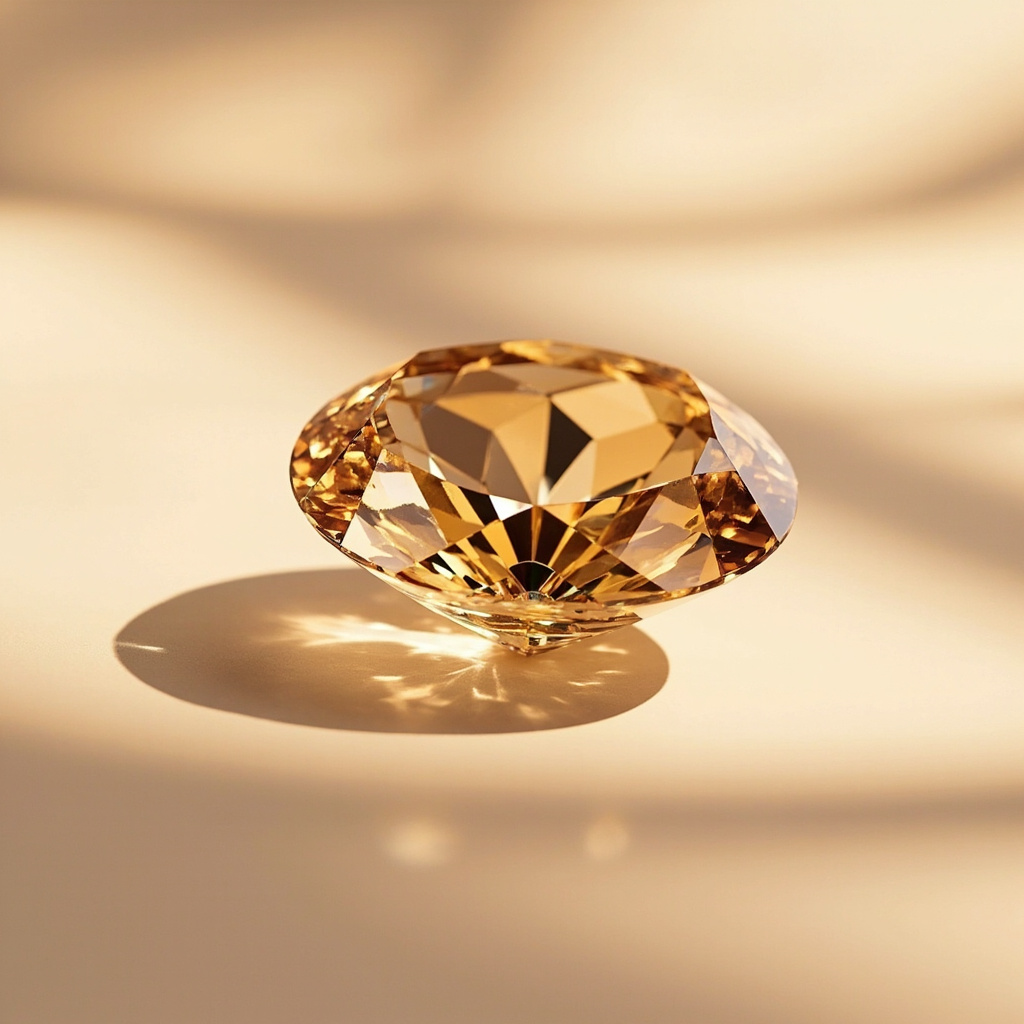
Champagne diamonds derive their distinctive color from the presence of nitrogen atoms within the crystal structure. During the formation process, which occurs approximately 150 to 200 kilometers beneath the Earth's surface over billions of years, nitrogen molecules become trapped within the carbon lattice. This impurity absorbs blue light wavelengths, resulting in the warm yellow-brown coloration that characterizes these stones. The intensity of the color depends on the concentration and distribution of nitrogen within the diamond.
The Gemological Institute of America classifies champagne diamonds within the C1 to C7 color range, with C1 representing the lightest champagne tones and C7 representing the deepest cognac or chocolate hues. Diamonds falling in the C1 to C3 range display very light champagne coloring that may appear almost colorless to untrained observers. As the color deepens through the C4 to C6 range, the warm undertones become increasingly apparent, creating the characteristic champagne appearance. The deepest colors, classified as C7, transition into what the industry often identifies as cognac or chocolate diamonds.
Clarity plays an equally important role in determining a champagne diamond's quality and value. Like all diamonds, these stones are evaluated using the FL (flawless) to I3 (included) scale. However, the warm background color of champagne diamonds can sometimes mask certain inclusions, potentially allowing stones with lower clarity grades to appear more visually appealing. The cut quality significantly influences how effectively the diamond reflects and refracts light, maximizing its brilliance and fire.
Champagne diamonds are sourced from several locations around the world, with significant deposits found in Australia, particularly the Argyle mine, as well as mines in Africa and South America. The Argyle mine in Western Australia has historically been one of the most important sources for these colored diamonds, producing a substantial percentage of the world's champagne and cognac diamonds. Each region produces stones with slightly different color characteristics, adding to the diversity within the champagne diamond category.
The pricing of champagne diamonds varies considerably based on their color intensity, clarity, cut, and carat weight. Generally, more intensely colored champagne diamonds command higher prices than lighter shades, though they remain significantly more affordable than rare pink, blue, or green diamonds. The relative abundance of champagne diamonds compared to these rarer colors makes them an accessible option for consumers seeking colored diamond jewelry without the premium associated with other fancy colors.
Jewelry designers increasingly incorporate champagne diamonds into various pieces, from engagement rings to pendants and earrings. The warm tones complement both white and yellow gold settings, offering versatility in design. These diamonds pair particularly well with vintage-inspired and art deco jewelry styles, though contemporary designers also embrace their unique aesthetic in modern pieces. The neutral warmth of champagne diamonds allows them to coordinate with a wide range of skin tones and wardrobe colors.
Proper care and maintenance ensure that champagne diamonds retain their beauty over time. Despite their exceptional hardness, these stones can still accumulate dirt and oils from daily wear. Regular cleaning with mild soap, warm water, and a soft brush helps maintain their brilliance. Professional cleaning and inspection by a qualified jeweler every six to twelve months can address any settings concerns and restore the diamond's optimal appearance.
When purchasing a champagne diamond, buyers should request a grading report from a reputable gemological laboratory to verify the stone's characteristics. This documentation provides assurance regarding the diamond's color classification, clarity grade, and other essential specifications. Understanding the four Cs and how they apply to colored diamonds specifically helps consumers make informed decisions and recognize quality when evaluating different stones.
The growing interest in colored diamonds has elevated awareness and appreciation for champagne diamonds among both collectors and general consumers. Their combination of natural beauty, durability, and more accessible pricing compared to rarer fancy colors positions them as an attractive option for meaningful jewelry purchases. Whether chosen for an engagement ring, anniversary gift, or personal treat, a champagne diamond represents a distinctive and elegant choice that captures the warmth and sophistication of its namesake beverage.