
The shape of a briolette cut is fundamentally a teardrop or droplet form, though this description only begins to capture its true geometric complexity. At its core, the briolette features a conical or pointed base that extends into a rounded, bulbous top section, creating an elongated pear-like silhouette when viewed from the side. The entire surface of the stone is covered with minute triangular facets arranged in a precise pattern that radiates from the culet at the bottom point to the crown at the top. This intricate faceting arrangement transforms the basic teardrop shape into a multifaceted gem that maximizes light return and creates that distinctive sparkle associated with fine jewelry.
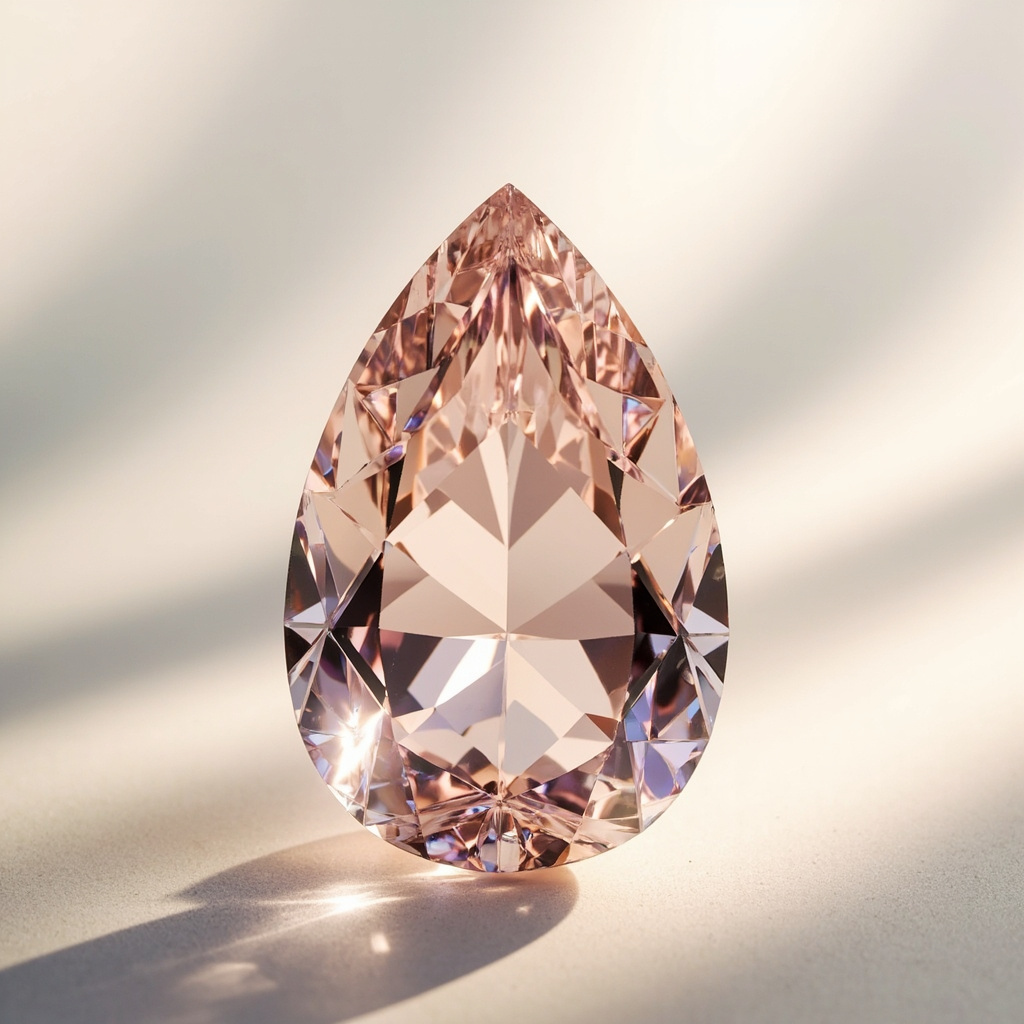
The technical aspects of the briolette cut involve careful attention to proportion and symmetry. Unlike modern brilliant cuts that follow standardized mathematical proportions, the briolette relies heavily on the skill of the cutter to achieve optimal light performance. The facets must be cut at precise angles to ensure that light entering the stone reflects properly through the crystal structure. The pointed bottom of the briolette, known as the culet, requires special handling during setting to prevent damage, as this vulnerable tip can easily chip or break if exposed to impact.
Historically, the briolette cut traces its origins to the medieval period, with some evidence suggesting that versions of this teardrop-shaped stone were created as early as the twelfth century. The name itself derives from the French word "brio", meaning vibrant or lively, a fitting description for a cut designed to capture and play with light in dramatic fashion. During the Georgian and Victorian eras, briolette-cut stones became particularly popular in earrings and pendants, often suspended from delicate chains or ornate mountings that showcased their elegant silhouette.
The briolette cut stands apart from other gemstone shapes due to its lack of a flat table facet. Instead of the characteristic flat top found in brilliant or princess cuts, the briolette presents a continuous curved surface covered entirely with small facets. This design choice means that the stone must be viewed from multiple angles to appreciate its full beauty, as the facets interact with light differently depending on the viewing position. This characteristic makes the briolette particularly suited for pieces that will be in motion, such as earrings or pendant drops, where the changing angles create a constantly shifting display of brilliance.
In contemporary jewelry design, the briolette cut remains a popular choice for those seeking something beyond the conventional round brilliant or princess cuts. High-end designers frequently incorporate briolette-cut diamonds and colored gemstones into statement pieces, often using them as focal points in elaborate necklaces or as decorative elements in chandelier earrings. The elongated shape of the briolette creates a flattering visual effect when worn, drawing the eye downward and complementing necklines and facial features.
The process of cutting a briolette requires exceptional skill and patience from the lapidary. Each stone must be individually planned based on its natural crystal structure and inclusions, with the cutter carefully positioning the facets to maximize brilliance while minimizing the visibility of internal characteristics. The time required to produce a single well-cut briolette significantly exceeds that needed for standard cuts, contributing to the higher cost associated with these stones. Additionally, the lack of a standard girdle edge means that briolettes often require custom settings designed specifically for their unique shape.
The optical properties of the briolette cut deserve particular attention. When properly executed, the dense faceting pattern creates what gemologists describe as exceptional fire and brilliance. Fire refers to the separation of white light into its spectral colors, while brilliance describes the amount of light reflected back to the viewer. The briolette achieves its characteristic sparkle by allowing light to enter through numerous small facets, creating multiple internal reflections before the light exits through other facets. This process produces the mesmerizing display that has made the briolette a treasured cut for centuries.
Understanding the shape and characteristics of the briolette cut helps jewelry enthusiasts appreciate why this ancient cutting style continues to command attention in modern designs. Its unique teardrop silhouette, combined with extraordinary light-handling properties, ensures that the briolette remains a distinctive choice for those seeking gemstones with both historical significance and visual impact.