
The tradition of giving a diamond engagement ring represents one of the most enduring customs in Western romantic culture. While many people today associate this practice with centuries of romantic tradition, the actual history is surprisingly modern in its most recognizable form. Understanding how this custom developed provides insight into broader social changes regarding love, marriage, and the role of precious objects in expressing emotional commitment.
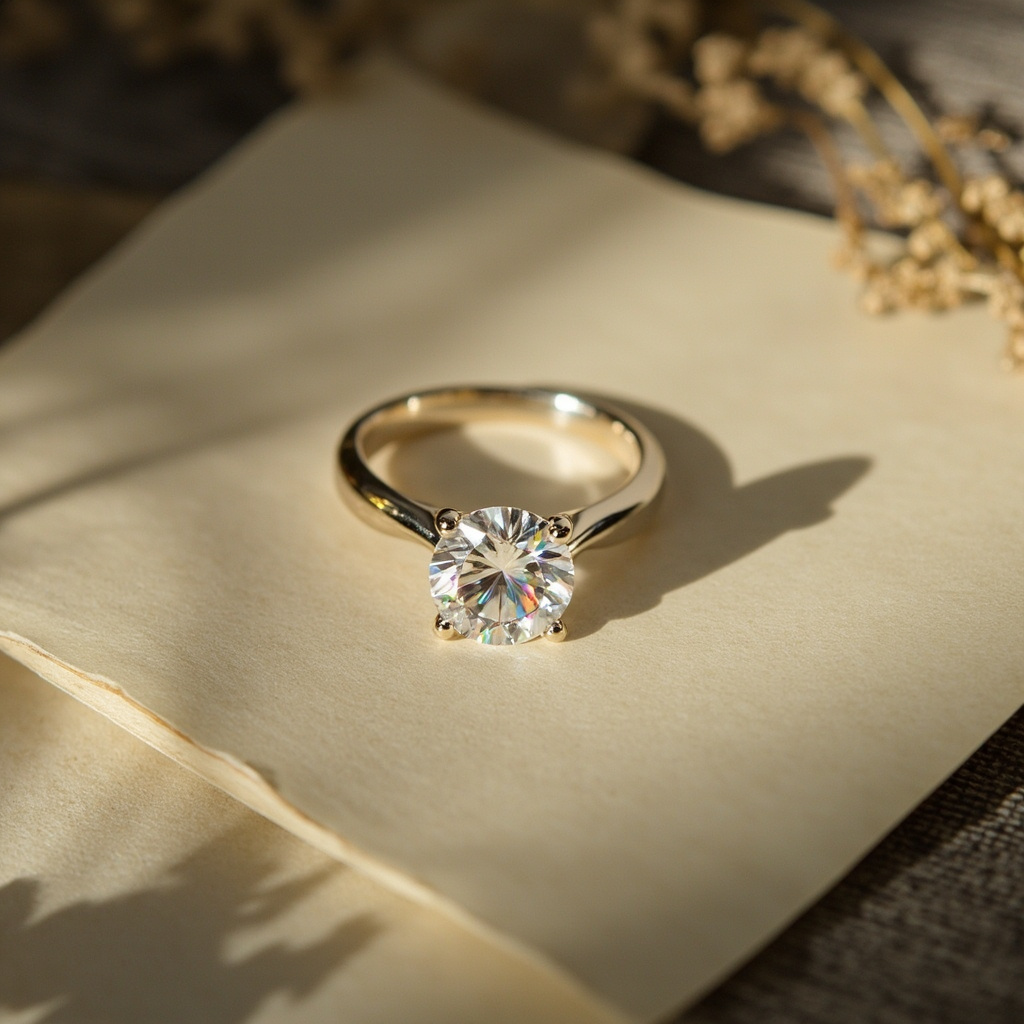
The earliest recorded use of rings as symbols of betrothal dates back to ancient Egypt approximately 4,800 years ago. Egyptians believed that the circle represented eternity, with the opening in the center symbolizing a gateway to future possibilities. These early rings were made from materials like reed, leather, and bone rather than precious metals or gems. The circular shape held profound spiritual significance, representing the eternal cycle of life and the promise of continuity through marriage and family.
Ancient Rome adopted and transformed the engagement ring custom, introducing the practice of using iron rings as symbols of legal obligation. Roman men would present iron rings to their brides-to-be as a binding contract, emphasizing the practical and legal dimensions of marriage rather than romantic sentiment. The phrase "fede" rings emerged during this period, featuring two clasped hands symbolizing trust and good faith between partners. This visual motif continues to influence design today, particularly in European traditions.
The transition from practical materials to precious metals and gems occurred gradually during the medieval period. By the twelfth century, the church began formalizing marriage ceremonies, and rings became more ornate with gemstones representing the couple's status and wealth. Diamonds, however, remained extremely rare and expensive, accessible only to nobility and royalty. The first recorded diamond engagement ring is often attributed to the marriage of Archduke Maximilian of Austria to Mary of Burgundy in 1477, marking a pivotal moment in establishing the tradition among European aristocracy.
For several centuries following this royal example, diamonds remained largely exclusive to the wealthy elite. The stones were cut simply by modern standards, and the brilliant multifaceted cuts that maximize diamond fire and brilliance had not yet been developed. Engagement rings during this period might feature a variety of precious stones, with diamonds gradually gaining favor as cutting techniques improved and supplies increased.
The modern concept of the diamond engagement ring as a universal standard truly emerged in the twentieth century, largely due to marketing efforts and changing social dynamics. A famous advertising campaign launched in 1947 dramatically shaped consumer preferences. The slogan "A diamond is forever" connected the durability of diamonds with the permanence expected in marriage, creating a powerful emotional association that persists today.
Post-war prosperity in Western nations made diamond rings more accessible to middle-class families, transforming what had been an aristocratic tradition into a widespread custom. Social expectations evolved, with many viewing a diamond engagement ring as an essential rather than optional element of courtship and marriage. Popular culture reinforced these expectations through films, magazines, and celebrity engagements, creating a self-perpetuating cycle of demand and tradition.
The four Cs standard for evaluating diamond quality emerged during the mid-twentieth century as a marketing tool. Carat, cut, color, and clarity provided language that helped consumers understand and compare diamonds while justifying the value of these precious stones. The standardization contributed to the democratization of diamond purchasing while maintaining the perceived exclusivity of the finest stones.
Contemporary engagement ring traditions continue to evolve, reflecting broader social changes regarding gender roles, relationship dynamics, and personal expression. While diamond rings remain the most popular choice, alternative stones, custom designs, and non-traditional approaches have gained acceptance. Many couples now choose rings based on ethical sourcing considerations, personal style preferences, and practical financial planning rather than adherence to historical conventions.
The history of engagement rings demonstrates how customs evolve through the intersection of economics, marketing, social change, and human desire to express love through meaningful objects. From ancient reed circles to modern brilliant cuts, the engagement ring has continuously adapted while maintaining its essential purpose as a tangible symbol of commitment and promise between partners. The enduring appeal of this tradition lies in its ability to transform a simple piece of jewelry into a repository of hope, memory, and enduring affection.