
The term cabochon originates from the French word "caboche," which means head or dome. This cutting style represents one of the oldest methods of shaping gemstones and has been practiced for thousands of years across various cultures. Unlike faceted stones that feature multiple flat surfaces, a cabochon cut creates a smooth, polished surface that showcases the stone's natural color, pattern, and optical properties.
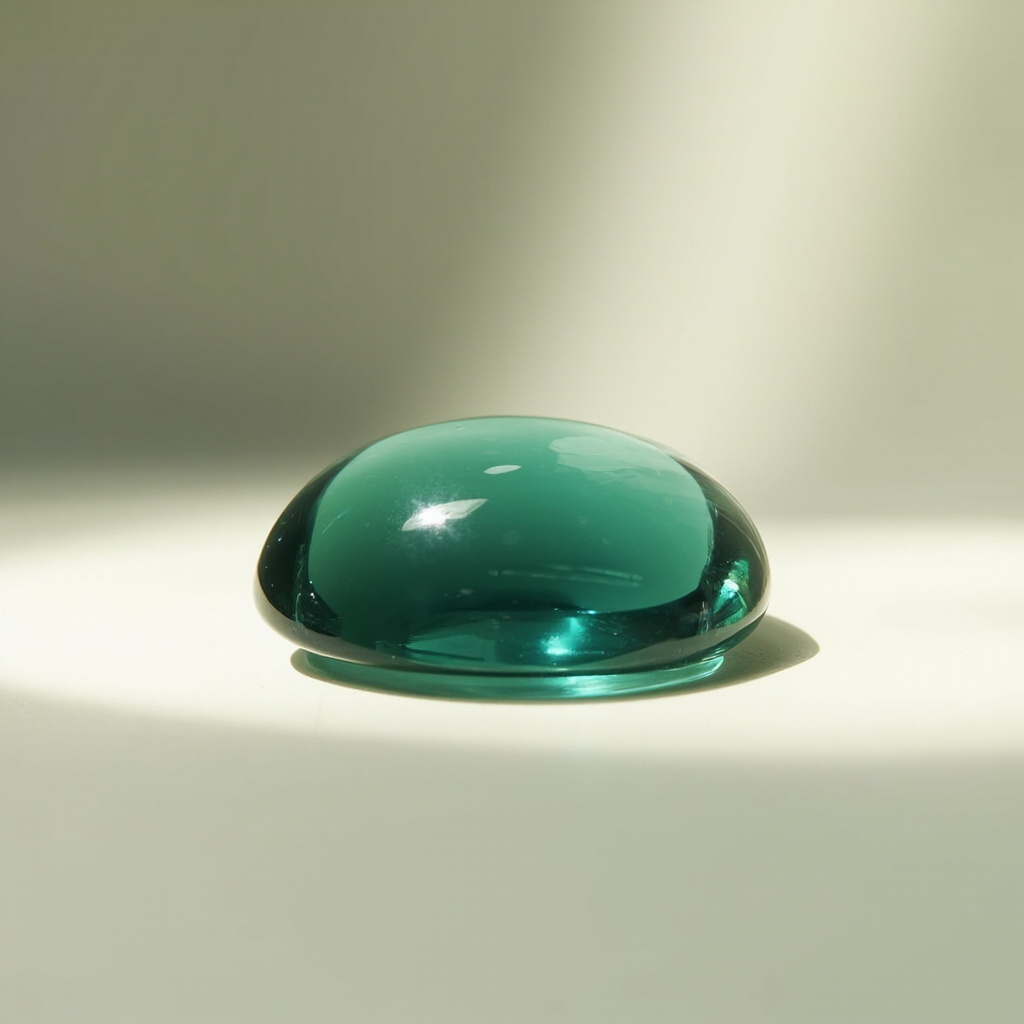
The cabochon cutting process begins with selecting rough material that possesses desirable qualities such as interesting patterns, chatoyancy, asterism, or vibrant color. Skilled lapidaries evaluate each piece of rough to determine the best orientation for cutting. The stone is then shaped using progressively finer grits of abrasive material until it reaches the desired form. Finally, the surface is polished to a high gloss using materials such as cerium oxide, tin oxide, or diamond paste.
There are several variations of cabochon cuts, each serving different purposes and aesthetic preferences. The standard cabochon features a domed top and flat or slightly curved bottom, making it ideal for setting into jewelry. Ovals and rounds represent the most common shapes, as they maximize the use of rough material while providing classic proportions. Fancy shapes such as hearts, triangles, and octagons offer design variety for creative jewelry applications.
Double cabochons consist of two domed surfaces with a flat middle section, making them perfect for translucent stones that benefit from light passing through from both sides. Concave cabochons feature a recessed dome, creating interesting light effects and reducing the appearance of scratches over time. En cabochon refers to stones that are set into metal with a bezel or prong setting rather than being fully exposed.
The selection of materials suitable for cabochon cutting differs significantly from those chosen for faceting. Opaque stones with unique visual characteristics make ideal candidates for this cutting style. Star sapphires and star rubies display asterism, a phenomenon where light creates a star-like pattern across the surface when properly oriented. Cat's eye stones exhibit chatoyancy, producing a narrow band of light that resembles a feline eye. These optical effects would be invisible or significantly diminished if the stones were faceted instead.
Translucent materials like moonstone, opal, and jade also benefit tremendously from cabochon cutting. The smooth surface allows light to enter and interact with the stone's internal structure, revealing layers of color and depth. These materials are often cut into larger sizes to emphasize their beauty and allow the viewer to appreciate the interplay of light within the stone.
Throughout history, cabochon-cut stones have held significant cultural and spiritual meaning. Ancient civilizations used these polished gems in religious artifacts, royal jewelry, and protective amulets. Many belief systems attribute metaphysical properties to specific stones, and the smooth surface of a cabochon is thought to facilitate energy flow and connection. Today, these traditions continue as many people choose cabochon-cut stones for their perceived healing and spiritual benefits.
The advantages of cabochon cutting extend beyond aesthetics. The process generally requires less material removal than faceting, preserving more of the original stone. This makes it economical for rare or expensive materials. Additionally, cabochons tend to be more durable than faceted stones because they lack sharp edges and angles that can chip or break. The smooth surface is also easier to clean and maintain over time.
However, cabochon cuts do have limitations compared to faceted stones. They typically do not display the same level of brilliance and fire that faceted gems produce. The light return and sparkle associated with diamonds and other transparent stones are achieved primarily through faceting, not through the smooth surface of a cabochon. Therefore, highly transparent materials with exceptional clarity are usually better suited for faceting rather than cabochon cutting.
In contemporary jewelry design, cabochon cuts remain highly valued for their timeless elegance and versatility. They feature prominently in vintage-inspired pieces, Bohemian styles, and modern minimalist designs. Many designers appreciate the way cabochons can be combined with other materials such as metals, leather, and fabric to create unique artistic expressions. The flat back of a standard cabochon provides a stable base for various setting techniques, making it adaptable to rings, pendants, earrings, and bracelets.
Understanding the cabochon cut helps appreciate the diversity within the world of gemstones and jewelry making. This centuries-old technique continues to evolve as contemporary lapidaries experiment with new shapes, finishes, and applications. Whether used for their natural beauty, optical phenomena, or perceived metaphysical properties, cabochon-cut stones offer a distinctive alternative to traditional faceted gemstones and will undoubtedly remain an important part of jewelry traditions for generations to come.