
Natural pearls have captivated human imagination for thousands of years, representing elegance, purity, and natural beauty. When discussing the most valuable color of natural pearls, the answer is not straightforward, as multiple factors influence pearl worth, including rarity, market demand, and cultural significance. However, certain colors consistently command premium prices in the global pearl market, making them the most valuable among collectors and jewelry enthusiasts.
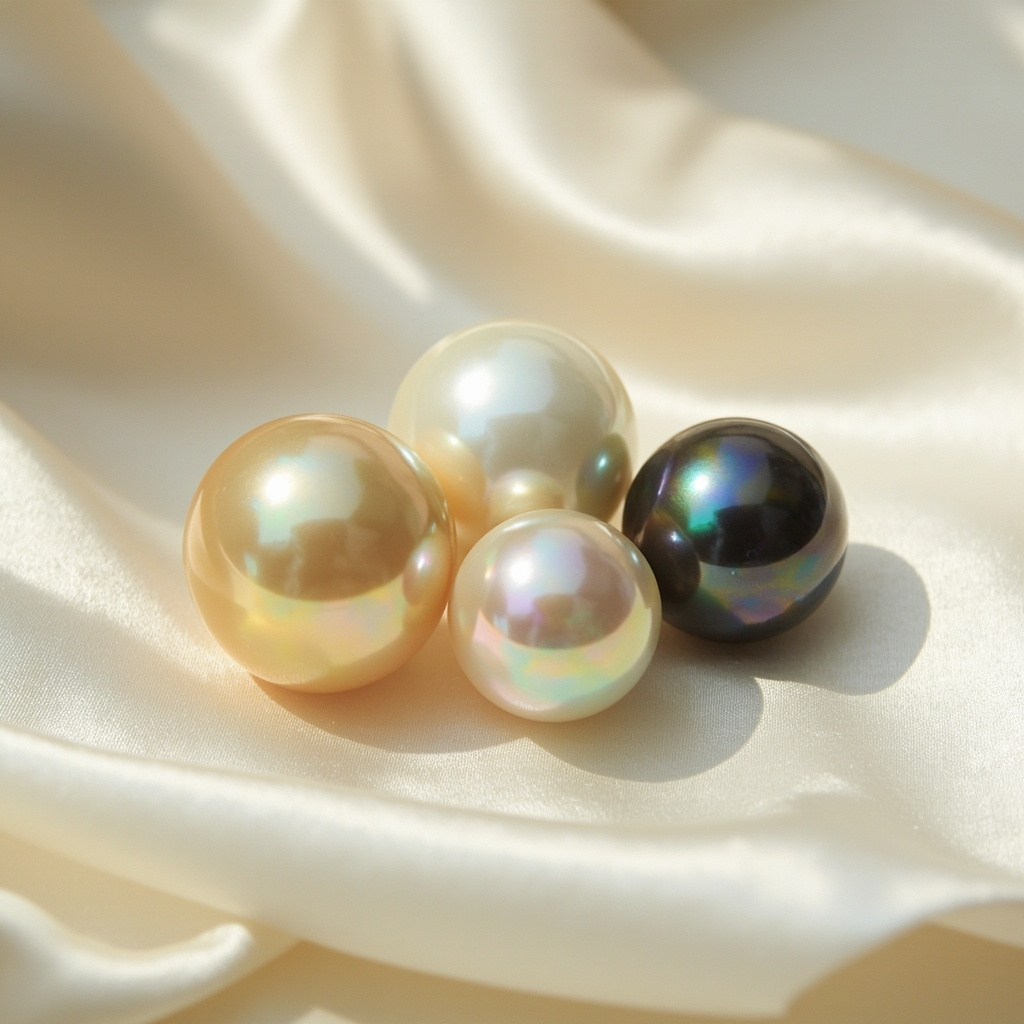
South Sea pearls, primarily harvested from the waters of Australia, Indonesia, and the Philippines, are generally considered the most valuable pearls in the world. Among these, golden pearls produced by the Pinctada maxima oyster are often regarded as the most valuable color variety. The rich, warm golden hues range from light champagne to deep gold, with the most saturated colors commanding astronomical prices. These pearls are exceptionally rare because the golden-lipped oyster that produces them only creates a pearl once every two to three years, and not every pearl develops the coveted deep golden color.
White and cream-colored South Sea pearls also represent the pinnacle of pearl value. These pearls exhibit a beautiful, soft luster that ranges from silver-white to creamy ivory, and they are prized for their timeless elegance. The rarest white pearls display a subtle rosy or bluish overtone, which adds complexity and depth to their appearance. These overtones can significantly increase the value of a pearl, as they are challenging to produce consistently.
Tahitian pearls, cultivated in the black-lipped oyster Pinctada margaritifera, offer a striking alternative to traditional white and golden pearls. These exotic gems display dark bodies with colors ranging from deep black to gray, green, and even purple. The most valuable Tahitian pearls feature strong overtones of peacock green, purple, or blue, creating a dramatic and sophisticated appearance. While not as expensive as the finest South Sea pearls, top-quality Tahitian pearls with exceptional color saturation can rival their value.
Akoya pearls, primarily produced in Japan and China, are known for their classic white or cream color with rose or silver overtones. While generally smaller than South Sea pearls, high-quality Akoya pearls with excellent luster and minimal surface imperfections can be quite valuable. The traditional white Akoya pearl with a rose overtone has long been considered the quintessential pearl for fine jewelry, though they typically command lower prices than their South Sea counterparts.
Beyond the specific color, several other factors determine the overall value of natural pearls. Luster is perhaps the most critical quality factor, as it refers to the sharpness and intensity of light reflection on the pearl surface. Pearls with mirror-like luster are far more valuable than those with dull or chalky appearances. Surface quality is equally important, as blemishes and imperfections can significantly reduce value. The finest pearls are virtually flawless, though such perfection is extremely rare in naturally forming gems.
Size plays a substantial role in determining pearl value as well. Larger pearls are generally more valuable because they take longer to form and are less common. South Sea pearls typically range from 9 to 20 millimeters in diameter, with pearls exceeding 15 millimeters commanding substantial premiums. The combination of large size with exceptional color and luster creates the most valuable pearls available.
Cultural preferences also influence which colors are considered most valuable. In Western markets, classic white pearls with rose overtones have traditionally been favored for their romantic and elegant appearance. Asian markets, particularly in China and Japan, traditionally prefer warm tones, with gold-colored pearls carrying symbolic significance of wealth and prosperity. This cultural appreciation has driven demand and prices for golden South Sea pearls significantly higher in recent decades.
The grading and certification of natural pearls further affect their market value. Professional gemological laboratories assess pearls based on standardized criteria, providing documentation that verifies quality and authenticity. Pearls accompanied by certificates from reputable organizations command higher prices because buyers can verify their quality claims.
In conclusion, while golden South Sea pearls are often considered the most valuable due to their exceptional rarity and warm, luxurious appearance, white pearls with desirable overtones run a very close second. The most valuable pearl is ultimately determined by a combination of factors including color intensity, luster, surface quality, size, and market demand. For investors and collectors, understanding these factors ensures wise purchasing decisions when acquiring these precious gems.