
The gemstone known for its captivating "milk and honey" effect is moonstone. This remarkable feldspar mineral has enchanted people for thousands of years with its ethereal glow and mysterious appearance. The "milk and honey" effect refers to the characteristic adularescence that appears when light interacts with the internal structure of the stone, creating a milky, bluish-white sheen that seems to float beneath the surface, much like milk swirling in honey.
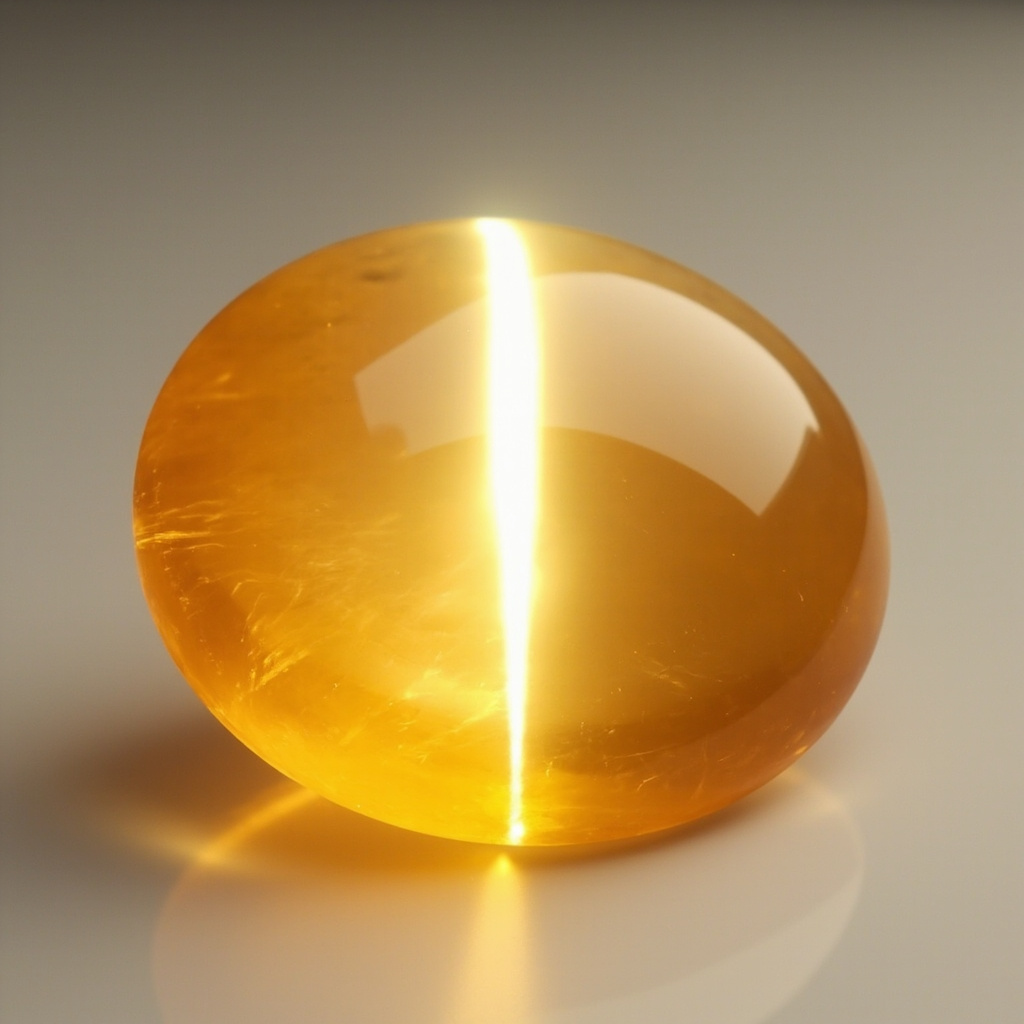
Adularescence is the scientific term used to describe this optical phenomenon. It occurs when light enters the stone and scatters between the layers of feldspar minerals within the moonstone. The result is a soft, glowing light that appears to originate from within the gem itself, giving it an almost supernatural quality. This effect is most pronounced in moonstones cut as cabochons, which are smooth, rounded stones that allow the light to interact with the internal structure in the most flattering way possible.
The most prized specimens of this gemstone come from Sri Lanka, formerly known as Ceylon. Sri Lankan moonstones are famous for their transparency and the intensity of their adularescence. These stones typically display a bluish-white sheen against a translucent background, creating the iconic milk and honey appearance that collectors and jewelry enthusiasts prize so highly. The finest examples can command premium prices in the gemstone market, with exceptional specimens being passed down through generations as family heirlooms.
Beyond Sri Lanka, moonstone deposits can be found in several locations around the world. Myanmar, also known as Burma, produces moonstones with a slightly different character, often displaying more subtle color play. India is another significant source, particularly of rainbow moonstones that show multiple colors including blue, pink, yellow, and gray. Brazil, Madagascar, and parts of the United States also yield moonstone specimens, though those from Sri Lanka remain the benchmark against which all others are measured.
The history of moonstone in human culture spans many civilizations and millennia. The ancient Romans believed that moonstone was formed from solidified moonbeams, and they considered it sacred to their lunar goddess Diana. In Hindu mythology, moonstone was associated with the moon god Chandra and was believed to bring good fortune and emotional balance to its wearer. Throughout the ages, this gemstone has been used in protective amulets, ceremonial jewelry, and romantic gifts, symbolizing intuition, femininity, and new beginnings.
In the world of jewelry design, moonstone has experienced numerous periods of popularity. During the Art Nouveau movement at the turn of the twentieth century, designers such as René Lalique incorporated moonstone into their fantastical creations, often pairing it with enamel and other translucent gems. The stone experienced a renaissance during the 1960s and 1970s, when its mystical associations made it a favorite among those embracing alternative spirituality and bohemian fashion. Today, moonstone continues to be featured prominently in both fine jewelry and contemporary designs, appealing to those who appreciate its timeless beauty and symbolic significance.
When selecting a moonstone for jewelry purposes, several factors determine its quality and value. The clarity of the stone is important, with transparent specimens being more valuable than those that are too cloudy. The intensity and movement of the adularescence effect is perhaps the most critical consideration, as the strongest and most dramatic milk and honey effect commands the highest prices. The color of the body of the stone also matters, with pure white to blue-white tones being most desirable. Finally, the cut of the stone must be precise to maximize the display of adularescence while maintaining good proportions.
Caring for moonstone jewelry requires some special attention due to the relative softness of the gem compared to other popular stones like diamonds or sapphires. Moonstone ranks around 6 to 6.5 on the Mohs hardness scale, making it susceptible to scratching and chipping if not handled carefully. It is advisable to remove moonstone rings before engaging in physical activities or working with harsh chemicals. Cleaning should be done with mild soap and warm water, using a soft brush to remove any accumulated dirt. Ultrasonic cleaners and steam cleaning should be avoided, as the vibrations and heat can damage the stone.
The enduring appeal of moonstone lies in its ability to evoke wonder and mystery. The milk and honey effect that gives this gemstone its character creates a visual experience that cannot be replicated by any synthetic material or imitation. Whether set in silver to enhance its cool, ethereal glow or paired with gold for a more romantic feel, moonstone continues to capture the imagination of jewelry lovers worldwide. Its combination of beauty, history, and affordability makes it an excellent choice for those seeking a distinctive gemstone that carries with it centuries of legend and lore.