
The world of diamond cuts offers an fascinating journey through centuries of craftsmanship and artistic evolution. Among the many distinctive styles that have emerged over the years, the rose cut diamond holds a special place as one of the oldest and most romantic cutting techniques still in use today.
The rose cut diamond traces its origins back to the early 1500s, when the technique first appeared in India. It is widely believed that Indian artisans developed this method, naming it after the rose bud whose shape it remarkably resembles. The design traveled to Europe through trade routes, gaining immense popularity among royalty and the aristocracy during the 16th and 17th centuries. Venetian traders are often credited with introducing this cutting style to the European market, where it became the preferred diamond cut for centuries.
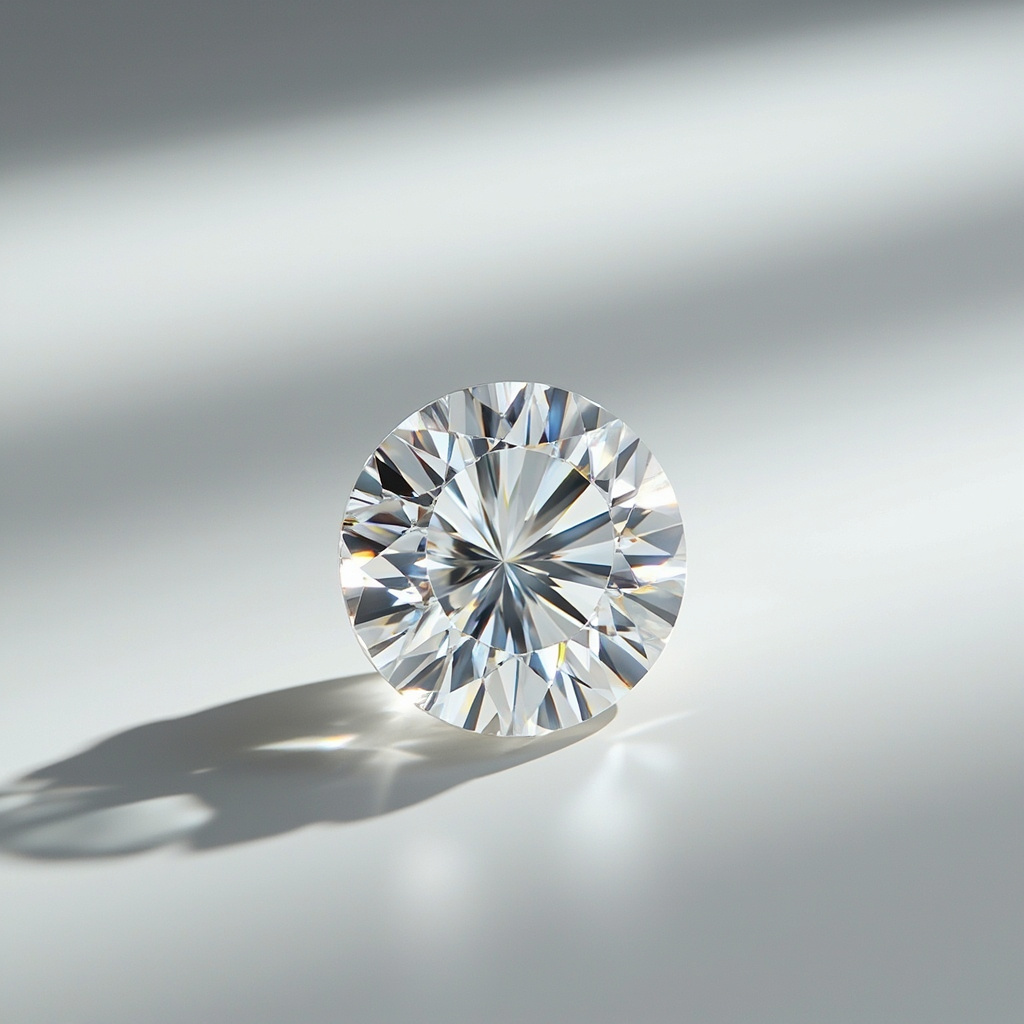
What distinguishes the rose cut from other diamond cuts is its unique geometric structure. Unlike modern brilliant cuts that feature numerous facets arranged to maximize sparkle, the rose cut possesses a flat base with no culet and a domed upper surface composed entirely of triangular facets. These facets typically meet at a central point on the top of the stone, creating an elegant silhouette reminiscent of an unfurling flower. Most rose cuts feature between 3 and 24 facets, though the traditional design usually contains 12 facets arranged in a symmetrical pattern.
The optical properties of rose cut diamonds differ significantly from their modern counterparts. Because of their faceting pattern and shallow depth, rose cuts produce a softer, more subtle glow rather than the dramatic fire and brilliance associated with contemporary cuts. This characteristic made them particularly desirable in an era when illumination came primarily from candlelight and oil lamps. The gentle radiance of rose cuts was perfectly suited to the romantic atmosphere of grand ballrooms and intimate gatherings of the European courts.
The manufacturing process of rose cut diamonds required exceptional skill and patience. Diamond cutters of the Renaissance period had to carefully study each rough stone to determine the optimal way to reveal its beauty while preserving as much weight as possible. Unlike modern cuts that often sacrifice a significant portion of the original diamond, the rose cut was designed to maximize conservation. This efficiency proved valuable during times when diamonds were rare and expensive commodities, especially before the discovery of vast diamond deposits in South Africa during the late 1800s.
Rose cut diamonds typically display a characteristic flat profile that made them particularly suitable for certain jewelry applications. Their low profile allowed them to be set into rings and brooches without protruding excessively, making them practical choices for everyday wear among the nobility. Many historical pieces featuring rose cuts remain in existence today, preserved in museums and private collections as testament to the enduring appeal of this cutting style.
The decline of rose cut popularity began in the 1700s when diamond cutters in Belgium and other European centers developed new techniques that enhanced a diamond's brilliance even further. The Old Mine cut, followed by the modern brilliant cut, offered more dramatic light performance that appealed to changing tastes. By the early 20th century, the rose cut had become largely obsolete, relegated to the realm of antique diamond collectors and vintage jewelry enthusiasts.
The contemporary revival of interest in rose cut diamonds reflects broader cultural trends toward authenticity and sustainability in fashion and luxury goods. Modern consumers increasingly appreciate the character and history embodied by antique-inspired designs. Jewelry designers have responded by incorporating rose cuts into new creations that blend vintage aesthetics with contemporary sensibilities. The subtle beauty of these stones complements minimalist modern styles while adding a touch of timeless elegance.
When selecting a rose cut diamond for custom jewelry, several factors merit consideration. The symmetry of the faceting pattern significantly impacts the stone's visual appeal, so examine the arrangement carefully to ensure facets are evenly distributed. The central point where facets converge should sit directly at the apex of the dome. Additionally, consider the overall proportions of the stone, as rose cuts vary considerably in their depth and width ratios.
Setting choices can enhance the natural beauty of rose cut diamonds. These stones pair wonderfully with yellow or rose gold settings that emphasize their warm, nostalgic quality. They also look stunning when combined with other gemstones in elaborate vintage-style pieces. The relatively shallow depth of rose cuts makes them excellent candidates for delicate jewelry designs where a low profile is desirable.
Beyond their aesthetic qualities, rose cut diamonds carry emotional and historical significance that transcends their material value. Owning a rose cut connects you to centuries of human creativity and craftsmanship. Each stone tells a story of the hands that shaped it, the markets that traded it, and the generations that treasured it. This historical resonance adds profound meaning to any piece of jewelry.
The enduring appeal of rose cut diamonds lies in their ability to bridge past and present. They remind us that beauty need not be synonymous with modernity or technical perfection. Sometimes, the most captivating treasures are those that carry the marks of human hands and the passage of time. Whether set in an heirloom piece passed down through families or featured in a contemporary design, rose cut diamonds continue to captivate with their quiet sophistication and romantic heritage.